
.1).png.2608271710130.webp)
In Oklahoma City, it can feel like summer on a Monday and winter by the weekend. We routinely see afternoons in the 80s into mid-October, then wake up a few days later to a hard freeze. That temperature whiplash is more than a wardrobe problem, it is one of the biggest reasons plumbing damage catches homeowners off guard.
Based on long-term climate data, Oklahoma City's frost risk starts around October 18, the average first freeze lands near November 6, and by November 13 a freeze is almost certain in a typical year. After more than 25 years of plumbing work across Oklahoma City, Norman, Moore, Edmond, Yukon, Mustang, and surrounding communities, we have seen how much trouble that three- to four-week window can cause if you wait until December to get ready.
We have put together a practical fall plumbing maintenance checklist tailored to Oklahoma City's climate so you can use the mild days before that first cold snap to protect your home.
Why Oklahoma City Winters Demand Early Plumbing Prep
Oklahoma City winters are highly variable, with temperatures reaching freezing on an average of 71 days each year. Pipes do not face one big cold event, they deal with repeated freeze and thaw cycles that stress weak points, joints, and fittings all season long.
Water expands when it freezes. If that water is trapped inside a pipe, it pushes outward with enough force to split copper, PVC, and even some steel lines. Those breaks often do not show themselves until the ice melts and water starts pouring into a wall cavity, crawl space, or ceiling.
The key is timing. Because our frost risk starts in mid-October and the average first freeze is around November 6, Oklahoma City homeowners really have a few short weeks in fall to drain exterior lines, add pipe insulation where it is missing, and make sure shutoff valves work. Once the first hard freeze hits, options get more limited and repair costs go up quickly, especially if a burst pipe floods a room or damages flooring and drywall.
Outdoor Plumbing: First Tasks Before the First Freeze
Your outdoor plumbing feels the cold first, so it should be at the top of your fall checklist. These are jobs to complete before that first forecast in the upper 20s, not after.
- Disconnect and drain garden hoses. Leaving a hose connected to a hose bib traps water in the faucet and the pipe feeding it inside the wall. When that water freezes, it can burst the interior supply line even if the exterior spigot looks fine. In fall, disconnect every hose, drain it fully, and store it out of the weather.
- Winterize hose bibs and exterior faucets. For traditional hose bibs, shut the interior valve that feeds each exterior faucet, then open the outdoor faucet to let remaining water drain. Once it is fully drained, install insulated covers on exposed spigots to add a layer of protection. If your home has a frost-proof faucet, it is still smart to remove hoses and use a cover, because freezing wind and temperature swings can still stress connections.
- Handle hose bib winterization on vulnerable walls. Pay special attention to faucets on the north and west sides of your home and any that are mounted on uninsulated or brick veneer walls. Those lines see colder temperatures and are more likely to freeze first.
- Drain or blow out irrigation systems. If you have an in-ground sprinkler system, standing water in the lines can expand, crack fittings, and damage sprinkler heads. Before the first Oklahoma freeze events, shut off the irrigation supply, run each zone to release pressure, and follow your system manufacturer's drain or air blowout procedure. Many homeowners prefer to have a licensed technician handle this step to avoid over-pressurizing the system with compressed air.
Indoor Pipes and Fixtures: Protecting What You Cannot See
Once your outdoor plumbing is secure, turn your attention indoors. Many winter leaks start in places you rarely look, like crawl spaces, garages, and the backs of sink cabinets.
- Insulate exposed pipes in unheated areas. Look for water lines in garages, crawl spaces, attics, and basements, as well as pipes running along exterior walls. Adding foam pipe insulation is an affordable way to reduce freezing risk. In very cold or drafty spots, heat tape that is rated for your pipe type can add protection, but it must be installed carefully according to manufacturer instructions to stay safe.
- Protect pipes behind kitchen and bathroom cabinets. In extreme cold, especially during Oklahoma cold snaps when wind chills drop quickly, open cabinet doors under sinks that sit on exterior walls. This lets warm indoor air circulate around the pipes. It seems simple, but during the coldest nights it can make a real difference.
- Keep your thermostat at a safe setting. Even if you are traveling or staying with family during the holidays, avoid setting the thermostat below about 55 degrees Fahrenheit. A home that cools too far during a hard freeze can develop frozen pipes in walls or unheated corners.
- Locate and test your main water shutoff valve. Every fall, find your main water shutoff valve and make sure it turns easily. It is usually located where the main line enters the home, in a utility room, garage, or crawl space. In an emergency, like a burst pipe, being able to shut off water quickly can limit damage dramatically. If the valve is stuck, corroded, or you are not sure you have found the right one, this is a good time to have a licensed plumber confirm and, if necessary, replace it.
Water Heater Maintenance Before the Cold Season
Your water heater works hardest when the weather turns cold and incoming water temperature drops. A little attention in fall helps it keep up with winter demand and can extend its service life.
- Perform a water heater sediment flush. Over time, minerals in Oklahoma City's water supply settle at the bottom of the tank, forming sediment. This layer forces the burner or heating elements to work harder and can cause popping or rumbling sounds. In fall, many homeowners can safely drain several gallons from the tank through the drain valve to flush out sediment. If the valve is corroded, the tank is older, or you are not comfortable with the process, we recommend having a licensed technician handle the water heater sediment flush.
- Test the temperature and pressure relief valve. The temperature and pressure relief valve, often called a T&P valve or pressure relief valve, is a critical safety device. Lift the lever briefly to confirm that water flows through the discharge pipe and that the valve reseats without dripping. If it does not operate smoothly, leaks afterward, or is corroded, have it inspected and replaced by a professional before the heavy-use winter season.
- Set a safe water temperature. A setting around 120 degrees Fahrenheit is typically hot enough for comfort and sanitation while reducing scald risk and energy use. Fall is a good time to confirm the setting, especially if family will be visiting for the holidays and using more hot water.
- Check the area around the heater. Make sure nothing flammable is stored near a gas water heater and that the condensate drain line from high-efficiency units is clear and draining properly. A blocked condensate drain line can cause water to pool around the heater or trigger shutdowns during peak usage.
Drains and Sewer Lines: The Fall Risks Most Homeowners Skip
Many Oklahoma City homeowners focus on frozen pipes and forget that fall and early winter put special stress on drains and sewer lines. A problem here can be just as disruptive, especially when guests are in the house.
- Schedule sewer line inspection or cleaning if you have slow drains. If you have mature trees on your property or near the city easement, their roots can infiltrate small cracks in your sewer line in a process known as sewer line root intrusion. Fall is an ideal time to inspect and, if needed, clear the line. Roots are not growing as aggressively and the ground has not fully hardened, which simplifies repair if we find a more serious issue.
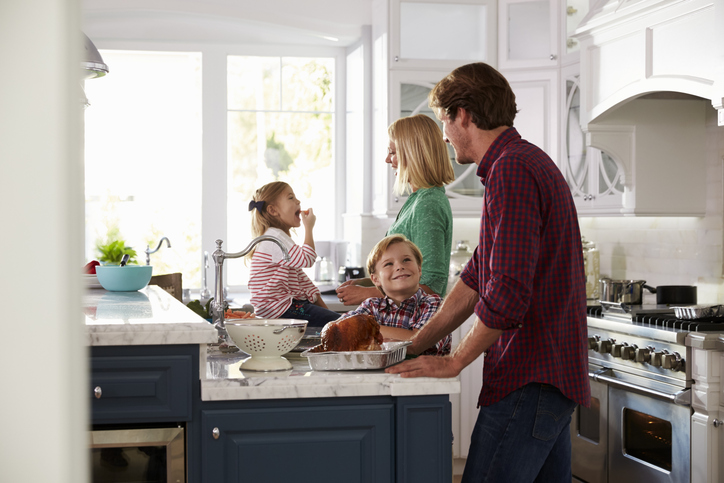
- Prepare kitchen drains for holiday cooking. Thanksgiving is consistently one of the highest plumbing call days of the year because cooling grease, food scraps, and peels overwhelm kitchen drains and garbage disposals. As temperatures drop, fats and oils solidify faster in the pipes and can form stubborn blockages. Never pour turkey drippings, bacon grease, or cooking oil down the sink, even with hot water. Let them cool, then scrape them into the trash. Use sink strainers to catch food particles and remind visiting family to toss scraps instead of rinsing them away.
- Check and clear roof vent pipes. Your home's plumbing vents help drains flow freely and prevent sewer gas from building up indoors. In fall, leaves and debris can partially block these vent stacks. If you are comfortable working safely on a roof, you can visually check that vents are clear. If you smell sewer gas inside or notice gurgling drains and you suspect a vent issue, a plumber can diagnose whether the problem is in the vents, the drains, or the sewer line.
Gas Line Awareness as Part of Your Fall Checklist
As temperatures drop, gas usage in Oklahoma City rises quickly. Furnaces, gas fireplaces, and other gas appliances that sat idle through our long, hot summer come back online, and any weakness in the gas system often shows up during this seasonal shift.
- Have visible gas lines and connections inspected. Fall is a smart time to have a licensed plumber look over accessible gas line connections for signs of corrosion, rubbing, or loose fittings, especially around furnaces, water heaters, and gas fireplaces. Catching a small issue now is far easier than dealing with a mid-winter system shutoff or emergency leak.
- Know the warning signs of a gas issue. Common red flags include a rotten egg odor, which usually indicates the presence of the odorant added to natural gas, a hissing sound near a line or appliance, or unexplained dead or discolored vegetation in a narrow line above an underground gas pipe. If you ever notice these signs, leave the area immediately, avoid using electrical switches, and contact your gas utility and emergency services before calling a plumber from a safe location.
- Combine gas and plumbing checks in one visit. At Hull Plumbing, Inc., our licensed technicians handle gas line inspection and repair under Oklahoma Construction Industries Board requirements, as well as full plumbing evaluations. Many homeowners find it efficient to combine a fall gas line check with other plumbing maintenance, such as water heater service and shutoff valve inspection, so everything is ready before the first strong cold front.
DIY vs. When to Call a Licensed Oklahoma City Plumber
Some fall plumbing tasks are straightforward for many homeowners, while others are safer and more reliable in the hands of a licensed professional.
- Common DIY-friendly tasks. Disconnecting hoses, installing basic foam pipe insulation, placing faucet covers, opening cabinet doors in cold snaps, and adjusting the thermostat are usually safe do-it-yourself jobs. If you are comfortable with simple mechanical work, you may also be able to drain a few gallons from a newer water heater that has a clean, functioning drain valve.
- Tasks better suited for a licensed plumber. Anything involving gas lines, corroded or stuck shutoff valves, older or heavily scaled water heaters, complex irrigation blowouts, or suspected sewer line root intrusion is best left to a licensed, bonded plumber. The risk of leaks, damage, or safety hazards is higher, and Oklahoma's plumbing codes and Oklahoma Construction Industries Board requirements are strict for good reason.
- When in doubt, ask. If you are unsure whether a particular checklist item is safe or appropriate to tackle yourself, a quick conversation with a plumbing professional can save you from mistakes that lead to leaks, property damage, or voided warranties.
Make Oklahoma City's Short Fall Window Count
In central Oklahoma, fall does not last long. We get a few weeks of pleasant weather, then the first freeze arrives and tests every weak pipe, neglected outdoor faucet, and overworked water heater. Working through a focused fall plumbing maintenance checklist now can be the difference between a quiet January and a burst pipe, backed-up sewer line, or water heater failure when you need hot water the most.
Catching even one issue early, like a failing shutoff valve or a partially blocked sewer line, usually costs far less than an emergency repair after damage has occurred. If you would like help with any part of your fall prep, from hose bib winterization and water heater service to sewer line inspection and gas line checks, the licensed team at Hull Plumbing, Inc. is here 24/7 with free detailed estimates and no trip fees for one-day jobs. You can reach us anytime at (405) 246-9763 to schedule a visit that gets your home ready before Oklahoma City's next cold front arrives.